
The Full Face treatment is a comprehensive aesthetic approach that combines various techniques to rejuvenate the face without the need for surgery. This treatment aims to restore volume, reduce wrinkles, and improve skin texture. With a personalized assessment, procedures such as hyaluronic acid and neuromodulators are applied, offering natural and harmonious results. It is a popular option for those who want to improve their facial appearance in an effective and safe way.
At Kina Aesthetic, the Full Face treatment is approached from a global medical vision of the face. We analyze each facial structure — volumes, proportions, skin quality, and expression — to design a plan that respects each patient’s essence. The goal is not to transform the face, but to restore its natural balance and freshness with medical precision and aesthetic sensitivity.
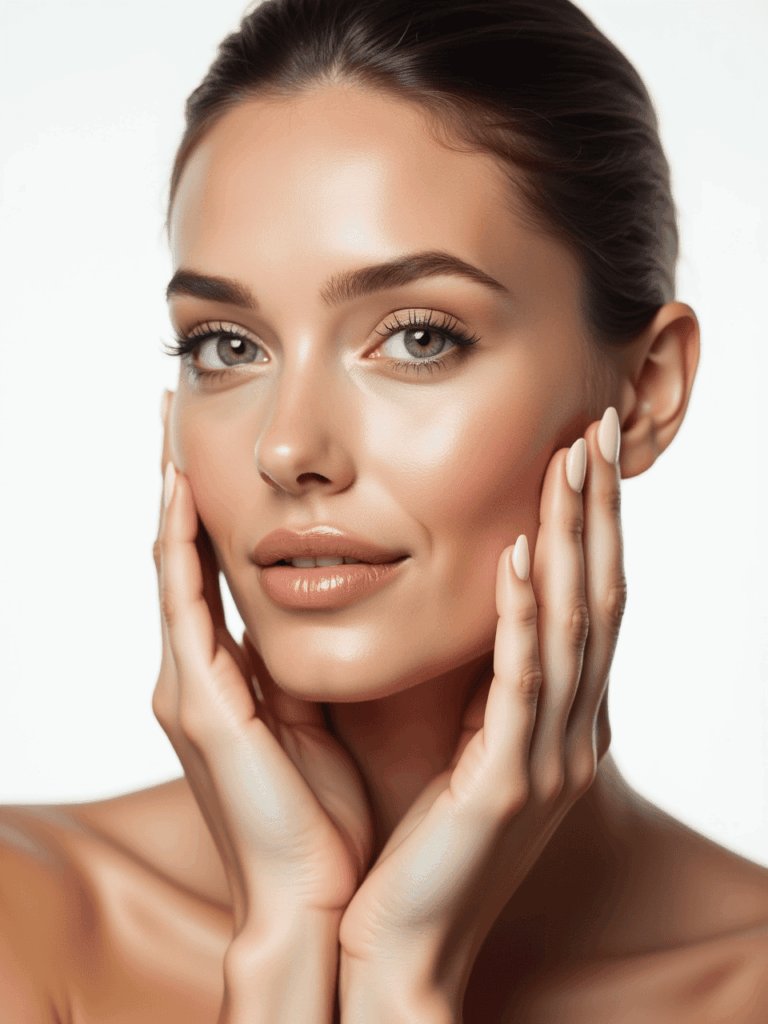

The comprehensive approach of the Full Face treatment focuses on rejuvenating the face in a natural and harmonious way.
This type of treatment aims to enhance the natural beauty of the face by addressing multiple signs of aging. It is considered comprehensive because it is not limited to a single area, but evaluates the face as a whole, allowing for a more global and harmonious approach.
For us, facial rejuvenation is not about treating wrinkles in isolation, but about understanding how the different facial structures interact. Therefore, the Full Face treatment is designed taking into account the complete facial architecture, seeking balanced proportions and elegant results that maintain the naturalness of the expression.
One of the main characteristics that distinguishes Full Face from other aesthetic treatments is its combined approach. Unlike procedures that focus on specific areas, this treatment integrates several procedures in a single session, resulting in a more natural and less artificial appearance. While other treatments may be isolated, Full Face prioritizes facial symmetry and balance.
This combined approach allows for a more subtle and strategic action. Instead of adding excessive volume or treating areas independently, the goal is to create overall harmony in the face, respecting individual features and avoiding artificial results.

The Full Face treatment incorporates various techniques that are combined to achieve comprehensive and harmonious facial rejuvenation. The selected procedures are adapted to each patient’s needs, allowing for personalized and natural results.
The selection of techniques and products is part of an individualized medical plan. At Kina Aesthetic, each treatment is carefully planned to act on volume, skin texture, and muscle dynamics in a balanced way.
This compound, present in the human body, plays a crucial role in restoring facial volume. Its use is intended for a series of areas where signs of aging become evident.
Hyaluronic acid is used to smooth expression lines. In areas such as the corners of the mouth and the glabella, it helps to fill in grooves that mark the face, providing a fresher and more youthful appearance.
The application in the lips allows for the desired enhancement and definition. This procedure not only improves aesthetics but also enhances the naturalness of the smile.
The aim is to restore volume in the cheekbones, which tend to be lost with age. Hyaluronic acid provides shape and structure, improving the overall facial contour.
In Dr. Yaroshova’s consultation, the use of hyaluronic acid is carried out with a conservative and precise approach. The priority is to restore volumes that have been lost over time, avoiding exaggeration and always maintaining a natural and elegant appearance.
Neuromodulators, such as Botox, are essential for the treatment. Their purpose is to relax the muscles, softening the dynamic wrinkles caused by daily facial expressions.
In these areas, neuromodulators help reduce the appearance of wrinkles. Through this technique, the goal is to achieve a smoother forehead and a glabella free of tension lines.
The muscles around the eyes can also benefit from this treatment, providing a more rested appearance and softening crow’s feet that may give an impression of tiredness.
At Kina Aesthetic, our goal is not to immobilize facial expression, but to soften wrinkles while respecting the natural movement of the face. In this way, the result maintains a fresh and rested appearance without losing naturalness.
These products have the ability to revitalize the skin, resulting in a brighter and firmer face. Collagen stimulation is key to maintaining facial elasticity.
Both stimulators are effective in promoting collagen production and improving skin thickness. They provide aesthetic benefits that translate into a significant improvement in skin quality.
The use of laser adds an additional dimension to the treatment. These techniques stimulate the deeper layers of the skin, resulting in a gradual increase in natural collagen production.
It represents a less invasive option compared to surgical facelifts. This approach uses laser technology to activate collagen regeneration.
Endolifting is ideal for those seeking a rejuvenating effect without the recovery time associated with surgical procedures. Its advanced technique allows for satisfactory results without the need for incisions.

It is essential to identify the appropriate patient profile to ensure that the treatment is truly effective and satisfactory.
At Kina Aesthetic, each treatment begins with a detailed medical assessment. This evaluation allows Dr. Yaroshova to understand not only the patient’s aesthetic needs, but also their lifestyle, facial structure, and expectations, key elements for designing a balanced and personalized plan.

The Full Face treatment can offer significant improvements in facial appearance. To maximize these benefits, it is essential to understand how the results appear and how the improvement can be maintained over time.
“When the treatment is planned in an integral way, the results are not perceived as a sudden change, but as a progressive and natural improvement in the appearance of the face. The skin looks brighter, the proportions more balanced and harmonious, and the expression more rested.”
The effects of the treatment are visible from the very first moment after the products are applied. However, it is normal for slight swelling to occur, which usually disappears within one or two days. Over the following weeks, the skin adapts and the results become more established, showing an improvement in texture, tone, and facial volume.
In the following weeks, the effect of collagen stimulators becomes more evident, contributing to firmer skin and a more youthful appearance. This is due to the natural collagen production process, which is activated by these treatments.
The results of Full Face can last between 9 and 12 months, although several factors can influence this duration. The patient’s age, skin type, and lifestyle are determining factors in the longevity of the effects.
Among the factors that can favor the duration of the results are:
To maintain the results of the treatment, an annual follow-up is recommended. This may include maintenance sessions consisting of touch-ups in areas that have lost volume or definition. Regular monitoring ensures that the positive effects are preserved over time.
These touch-ups are necessary to ensure that the face maintains natural harmony and to reduce the risk of changes that could alter the initially achieved aesthetic results.

Safety is a fundamental aspect of any aesthetic procedure. Knowledge of side effects and post-treatment care is essential to ensure a satisfactory and smooth experience.
Aesthetic medicine should always be carried out under strict medical criteria. Therefore, the doctor prioritizes patient safety, using high-quality products, advanced techniques, and personalized follow-up after each treatment.
After facial rejuvenation treatments, it is normal to experience some temporary reactions. Among the most common reactions are:
Although most patients do not experience significant adverse effects, there are rare risks that may arise. These include:
The experience and training of the specialist are crucial to minimize risks and maximize treatment results. A qualified professional not only has a deep knowledge of facial anatomy but can also adapt procedures to each patient’s individual needs. It is advisable to choose a specialist with a good reputation and experience in aesthetic medicine to ensure a safe and effective treatment.
The doctor’s medical training and international clinical experience allow her to approach Full Face treatment with a combination of medical precision and aesthetic sensitivity, key factors in achieving harmonious and safe results.
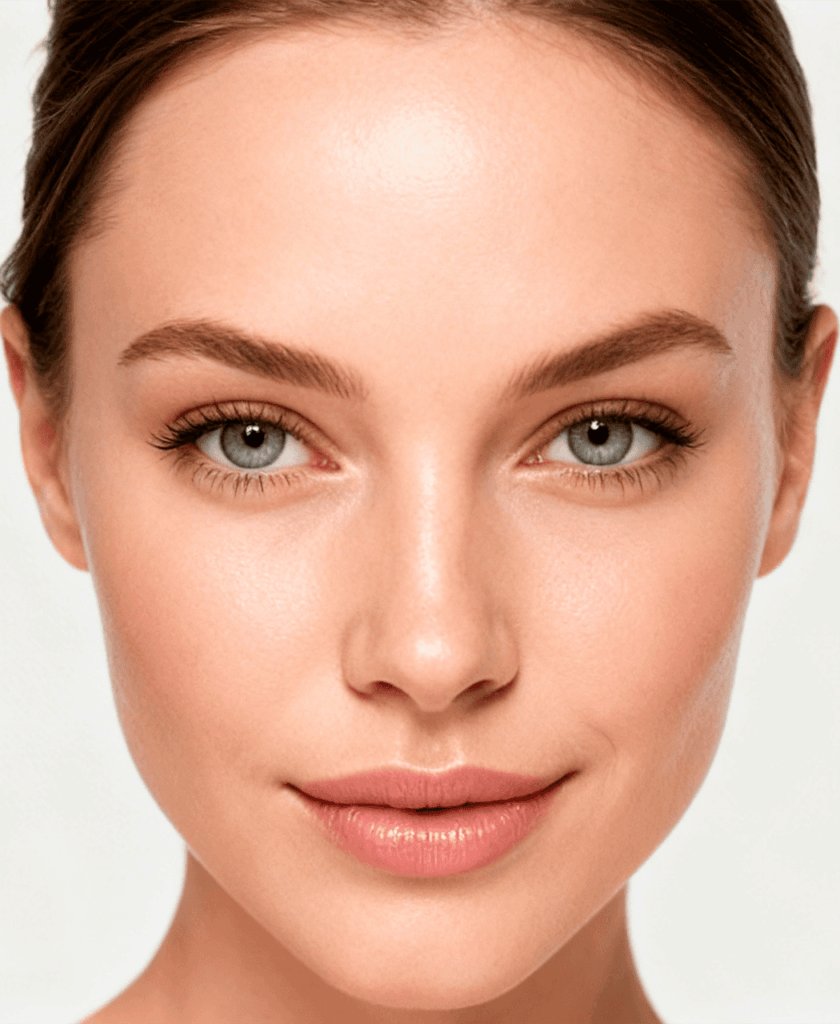
The Full Face treatment is presented as a less invasive alternative compared to facial aesthetic surgery, offering unique benefits and a different approach. Below are several key aspects that differentiate these procedures.
One of the main attractions of Full Face is its non-invasive nature. This treatment provides significant advantages, such as:
The choice between a Full Face treatment and aesthetic surgery depends on the individual needs and conditions of the patient. Situations where each is usually recommended:
The difference in recovery times is fundamental. Full Face generally presents:
</br<
On the other hand, surgical facelifts may require weeks for full recovery, with a higher associated risk of complications, such as infections and scarring.
The Full Face treatment is presented as an increasingly popular aesthetic option, offering those interested relevant and practical information for their consideration.
There are several common concerns among patients considering Full Face treatment. Some of the most frequently asked questions include:
</br<
These questions reflect patients’ curiosity about the process, its results, and the necessary aftercare. Having clear and accurate information is key to making an informed decision.
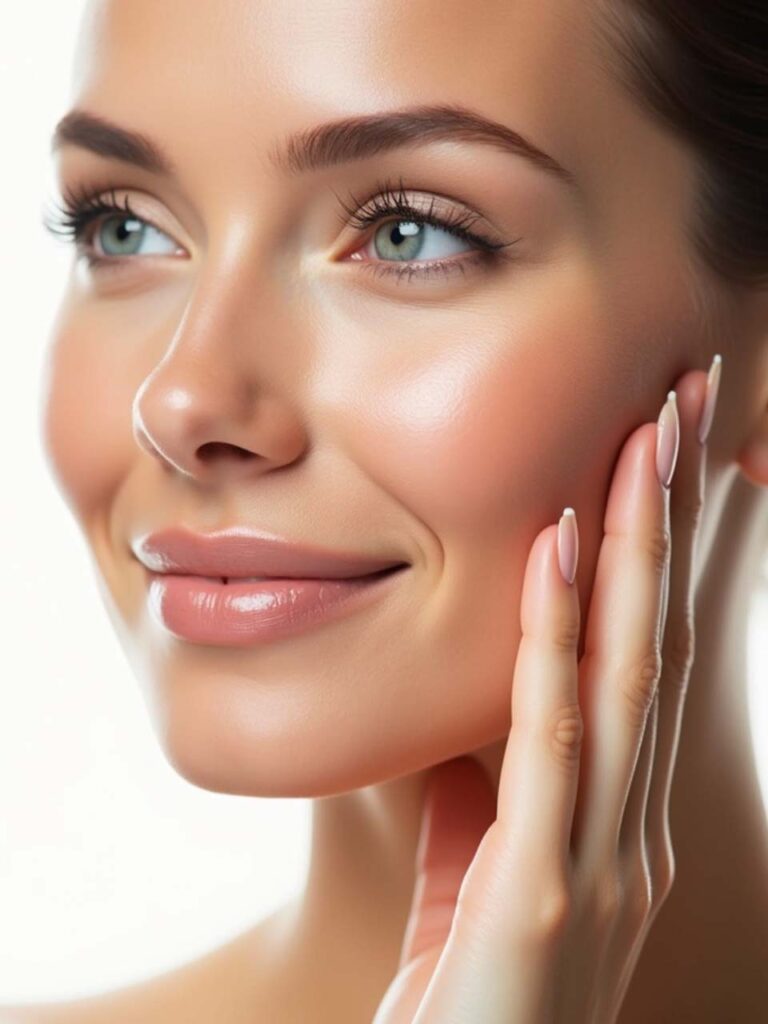
The results of the Full Face treatment are noticeable and evident after its application. The following details outline different aspects that reflect the benefits of this procedure in patients.
One of the most notable transformations is the increase in facial volume and the overall improvement of the skin. The components used in the treatment, such as hyaluronic acid and collagen stimulators, allow:
The goal of Full Face is to achieve aesthetic balance in the face. The changes not only improve appearance but also maintain the patient’s natural expression. The interventions focus on:
Patients who have chosen the treatment often share their positive experiences. Many highlight their satisfaction with the results, which include the following:
These assessments reflect the positive impact that Full Face treatment has on patients’ self-esteem and emotional well-being.